
Key Takeaways
- Receding gums pull back from your teeth and expose the roots, which can lead to sensitivity and gaps.
- Several factors can contribute to gum recession, including aggressive brushing, plaque buildup, smoking, and genetics.
- Gentle brushing, daily flossing, and skipping tobacco can help slow gum loss.
- Gums don’t grow back on their own, and an assessment can help determine whether monitoring, home-care changes, or treatment is appropriate.
- A dentist at Country Hills Dental can discuss professional cleaning, or referral options for deeper recession.
Good Habits Help Protect Your Gums
You glance in the mirror and notice that your teeth look a little longer than they used to. Maybe a sip of cold water sends a sharp twinge through your mouth. These kinds of small changes can point to your gums pulling away from your teeth, and they tend to happen slowly over time.
You may be able to slow further recession with gentle daily care, tobacco cessation, and an early assessment at Country Hills Dental to discuss treatment options for exposed roots.
What Receding Gums Are & Why They Happen
Your gums act like a snug collar around each tooth. When that tissue starts to shrink and pull back, more of the tooth shows, including the soft root that normally stays tucked away. If you have receding gums, you might spot small gaps near the gum line or feel a notch where the tooth meets the gum.
This matters because exposed roots don’t have the hard enamel that protects the rest of your tooth. That can increase the risk of decay and sensitivity and, in some cases, affect tooth stability.
Common Reasons Gums Pull Back
Brushing too hard or using a stiff brush can contribute to gum irritation and recession, but recession can have several causes. Plaque that builds up along the gum line can also irritate and inflame the area.
Other factors can play a role too. Smoking and family history (genetics) can make gums more likely to pull back. Hormonal changes, tooth position, or an injury to the mouth may also contribute in some cases.
Signs to Watch for at Home
If you notice any of these signs, arrange an assessment so a dentist can help determine the cause:
- Red or swollen gums along the edges of your teeth
- Bleeding after you brush or floss
- Teeth that look longer than before
- Sharp sensitivity to hot, cold, or sweet foods
When to See a Dentist About Receding Gums
Some signs call for a closer look from a professional. If a tooth feels loose or you have pain that lingers, arrange a dental assessment.
Bleeding or sensitivity that won’t settle down also deserves attention. An assessment can help determine whether gum disease, irritation, or another issue is contributing.
Daily Habits to Slow Further Gum Loss
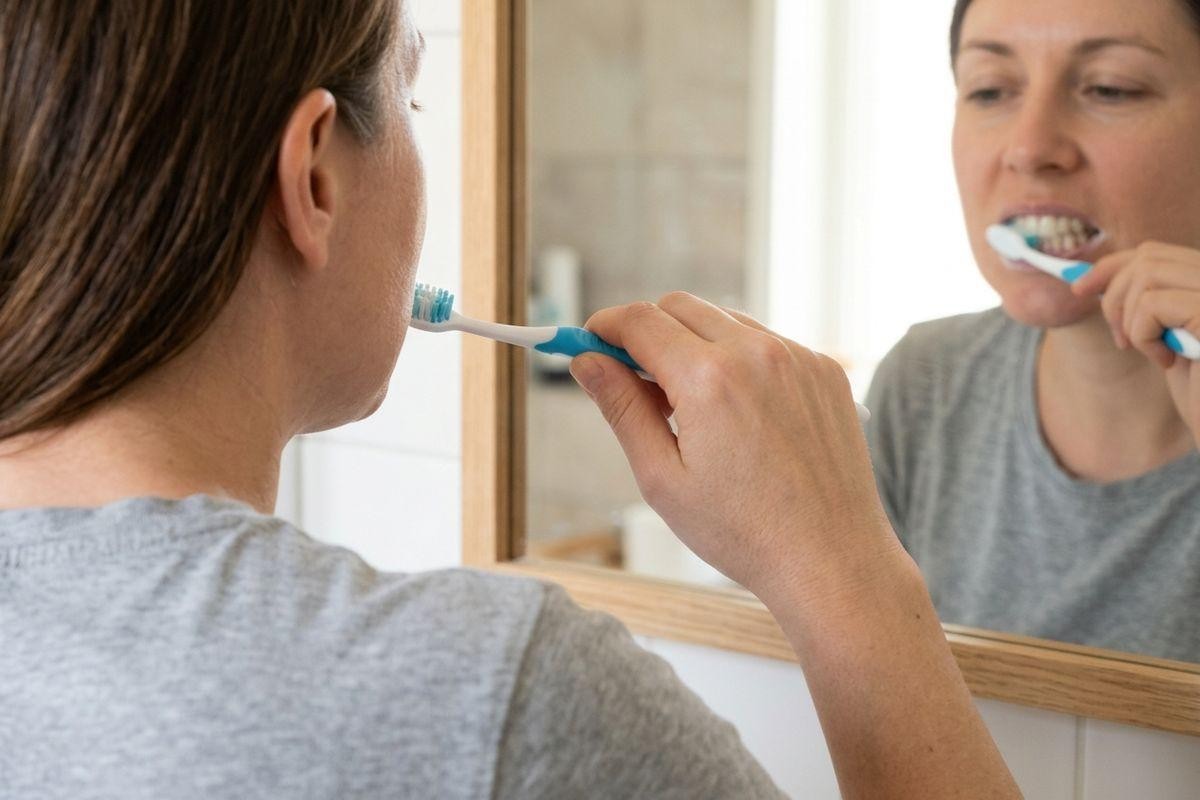
Your everyday routine can help protect your gums. Switch to a soft-bristled brush and use gentle, short strokes instead of scrubbing.
Floss once a day to clear out the plaque your brush misses between your teeth. If you use tobacco, stopping can support your gum health. If you grind your teeth, a custom mouthguard can help reduce strain while you sleep. For contact sports, ask your dentist about a properly fitted sports mouthguard.
Ways to Ease Sensitivity at Home
A desensitizing toothpaste containing potassium nitrate may help reduce sensitivity. Follow the product directions and give it time to work.
A warm saltwater rinse may temporarily soothe irritated gums, but it won’t reverse recession or replace a dental assessment.
Professional Treatment Options for Receding Gums
When home care isn’t enough on its own, your dentist can assess the cause and discuss professional treatment. A deep cleaning can remove hardened buildup below the gum line that brushing at home cannot reach.
Tooth-coloured bonding may cover exposed roots, which can reduce sensitivity and improve their appearance. If tooth position is contributing, your dentist may discuss orthodontic options or refer you to an orthodontist.
Gum Graft Surgery Explained Simply
For deeper recession, a gum graft may be considered to cover an exposed root.
Recovery varies depending on the type of graft and your individual healing, but many people feel closer to normal shortly after the procedure.
Can Gums Grow Back?
Here’s the honest truth. Gum tissue doesn’t grow back on its own once it pulls away.
Treatment cannot restore gum tissue that has already receded, but it can help protect the area and manage related concerns. Early assessment can help determine whether monitoring, home-care changes, or treatment is appropriate.
How the Country Hills Dental Team Can Help
Routine cleanings and check-ups give our team a chance to monitor your gum health and identify changes that may be difficult to notice at home.
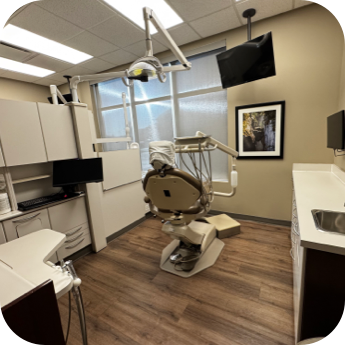
Our practice offers family-friendly care for every age in a warm and welcoming space. We welcome families from Country Hills and surrounding northern Calgary communities.
If you have noticed changes in your gums or ongoing sensitivity, contact Country Hills Dental to book a visit and discuss your concerns and next steps.