Losing a tooth can feel overwhelming, whether it happens suddenly due to an accident or gradually due to decay. You might wonder if you’ll have to live with that gap in your smile forever or worry about how it might affect your daily life.
There are several effective options for replacing a missing tooth, including dental implants, bridges, and partial dentures. The right choice depends on your situation, oral health, and personal preferences. Country Hills Dental offers comprehensive tooth replacement options to help restore your smile and confidence.
What Happens When You Lose a Tooth
Your mouth starts changing the moment you lose a tooth. These changes begin immediately and continue over time, affecting more than just your appearance.
Changes to Your Smile & Confidence
A missing tooth creates a visible gap that can make you feel self-conscious about smiling or laughing. You might find yourself covering your mouth when you speak or avoiding photos altogether.
Speaking becomes more challenging because your tongue relies on your teeth to form certain sounds properly. You might notice a slight lisp or difficulty pronouncing words clearly. Chewing also becomes harder, especially if you’re missing a back tooth that helps grind your food.
How Missing Teeth Affect Your Other Teeth
Over time, your remaining teeth start shifting into the empty space left behind by the missing one. This happens slowly but steadily, causing your bite to change and potentially creating gaps between other teeth.
The jawbone underneath your missing tooth also begins to shrink, as it no longer receives stimulation from chewing. Over time, this bone loss can change the shape of your face and make your cheeks look sunken.
Tooth Replacement Options
You have three main ways to replace your missing tooth, each with different advantages. Your dentist can help you choose the option that fits your needs and lifestyle.
Dental Implants
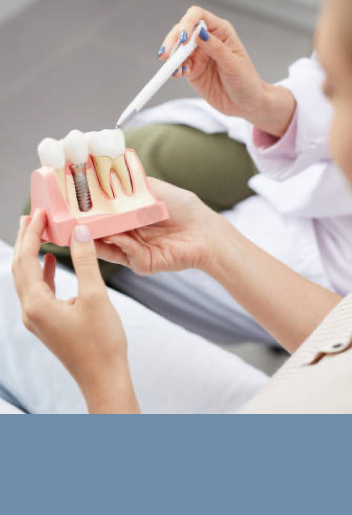
A dental implant replaces both the root and crown of your missing tooth. Your dentist will place a titanium post into your jawbone, which fuses with the bone over several months to create a strong foundation.
Your implant looks and feels just like your natural tooth. You can bite into apples, chew steak, and brush normally without worrying about it moving or slipping. The implant also prevents bone loss by stimulating your jaw when you chew.
The complete process typically takes 3–6 months from start to finish. Learn more about dental implants and their benefits for long-term tooth replacement.
Dental Bridges
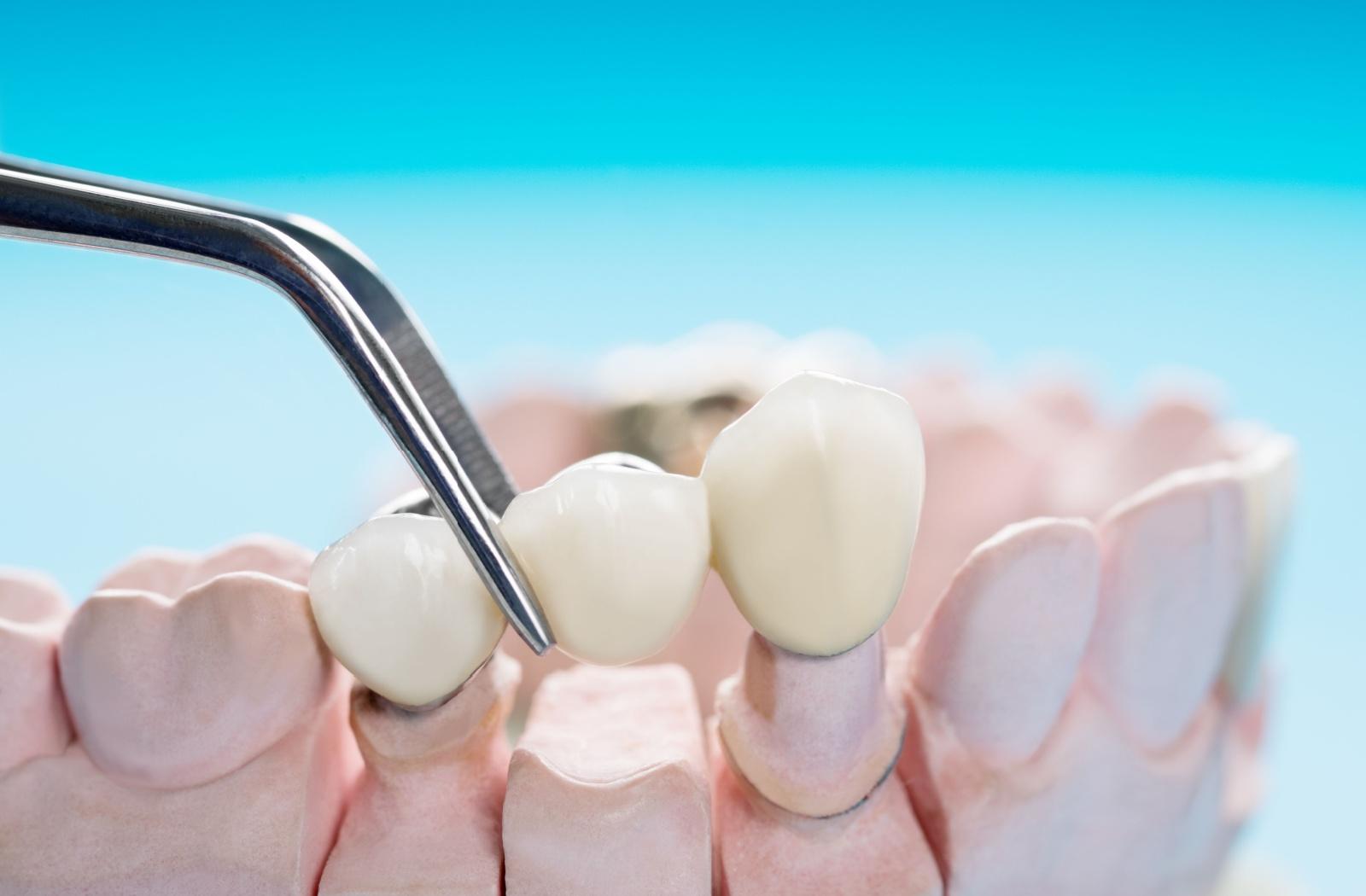
A bridge connects a replacement tooth to the healthy teeth on either side of the gap. The dentist shapes the neighbouring teeth to hold crowns that support the new tooth in the middle.
You can get your bridge much faster than an implant—usually within a few weeks. Bridges work particularly well when the teeth next to your gap already need crowns or have large fillings.
Partial Dentures
Partial dentures are removable replacement teeth that clip onto your remaining natural teeth. You can take them out for cleaning and sleeping, which makes maintaining good oral hygiene straightforward.
This option typically costs less than implants or bridges. You can also replace additional teeth later if needed by modifying your existing partial denture.

Factors to Consider
Your dentist considers several important factors when recommending an option. Each person’s mouth is different, so what works perfectly for someone else might not be ideal for you.
Your Overall Oral Health
Your gums need to be healthy and free from disease before any replacement procedure. If you have gum problems, your dentist can treat them first to give your new tooth the foundation it needs.
For dental implants, you also need enough bone density in your jaw to support the implant post. Your dentist will evaluate your jawbone as part of your consultation to determine whether it’s ready for an implant.
Location of Missing Tooth
Front teeth need to match your smile and only have to handle lighter chewing forces. Back teeth face much more pressure when you eat and don’t need to look as natural, since they’re less visible.
A missing front tooth often calls for an implant or bridge, as these two options look most natural. Back teeth can sometimes work well with partial dentures since appearance matters less.
Timeline & Budget Considerations
If you need your tooth replaced quickly for an important event, a bridge or partial denture can be completed faster than an implant. However, implants often provide good long-term value despite the higher initial investment.
Your dentist can help you understand the costs involved and discuss payment options that fit your budget.
What to Expect During Treatment
Replacing a missing tooth involves several appointments spread over weeks or months, depending on which option you choose. The process is typically comfortable and straightforward.
Your Initial Consultation
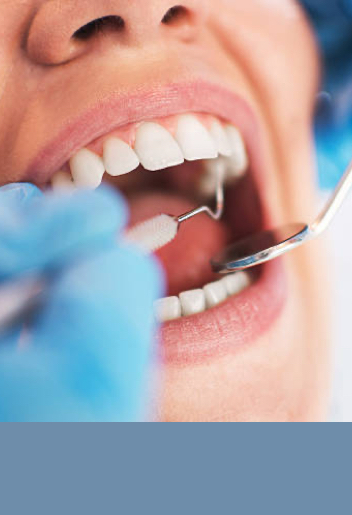
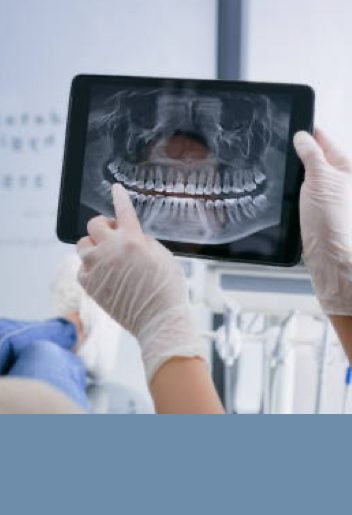
The dentist examines your mouth thoroughly and takes x-rays to see the condition of your jawbone and surrounding teeth. You’ll discuss your goals, concerns, and preferences for your replacement tooth.
Together, you’ll develop a treatment plan that outlines the steps, timeline, and costs involved.
Treatment Timeline
Dental implants take the longest because the implant post needs time to fuse with your jawbone. This process usually spans 3–6 months, with several appointments along the way.
Bridges typically require two appointments over a few weeks. Partial dentures can often be completed in just a few visits, making them the fastest option. If you’re considering different approaches, reading about dental implants vs dentures can help you make an informed decision.
Recovery & Aftercare
You might experience some mild discomfort after your procedure, but it usually responds well to over-the-counter pain medication. Your dentist can recommend products and techniques to keep you comfortable.
Follow-up appointments help confirm that your replacement tooth is healing properly and working as expected. These visits also give you a chance to ask questions about caring for your new tooth.
Caring for Your Replacement Tooth
Your replacement tooth can last many years with proper care. The daily habits that keep your natural teeth healthy also protect your new tooth.
Daily Care Routine
Brush around your replacement tooth just like your natural teeth, paying attention to the gum line where bacteria can collect. Special floss threaders or water flossers can help you clean around bridges and implants more effectively.
Avoid chewing ice or using your teeth as tools, as doing so can damage both natural and replacement teeth. Sticky or very hard foods might require extra caution, especially with partial dentures.
Regular Dental Visits
Professional cleanings remove bacteria and tartar that your home care routine might miss. Your dentist also checks that your replacement tooth both fits properly and is still working well. These regular visits help catch small problems before they become serious, protecting both your replacement tooth and your remaining natural teeth
Replacing your missing tooth sooner rather than later helps prevent the complications that might develop over time. Early treatment also gives you more options and often leads to good results.
The ideal time to replace a missing tooth is as soon as possible after you lose it. However, it’s never too late to explore your options, even if you’ve been missing a tooth for years. An experienced Dentist in Calgary can assess your situation and recommend options that promote your long-term health.
At Country Hills Dental, our team provides comprehensive restorative dental care for families throughout Calgary’s communities. Schedule a consultation to discuss your options and take the first step toward restoring your complete, confident smile.