If you’ve been looking in the mirror and feeling unhappy with your smile, you might be wondering how you can restore your confidence. Maybe you have a damaged tooth, stubborn stains, or small chips that make you hesitate to smile freely.
The choice between crowns and veneers depends on your dental needs—crowns work better for damaged or weakened teeth, while veneers address primarily cosmetic concerns on healthy teeth. Our team at Country Hills Dental can recommend the right form of restorative dental care based on an informed conversation with you about your dental goals and lifestyle.
What Are Dental Crowns & Veneers
How Dental Crowns Work
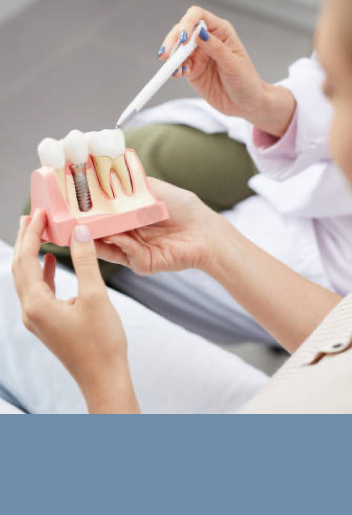
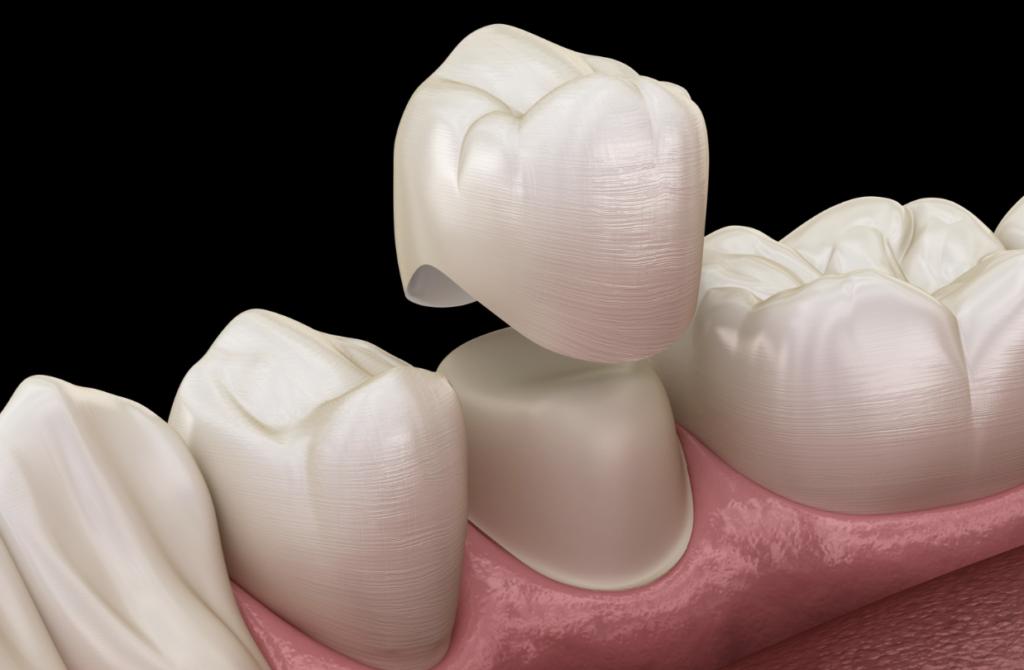
Think of a dental crown as a protective cap that covers your entire tooth. When you have a tooth that has been weakened by decay, damage, or a root canal, crowns act like armour, protecting what’s left of your natural tooth while restoring its shape and strength.
Your dentist shapes your tooth to make room for the crown, then places a custom-made cap over it. Crowns can be made from porcelain, ceramic, or metal materials, depending on which tooth needs treatment and your personal preferences.
How Veneers Work
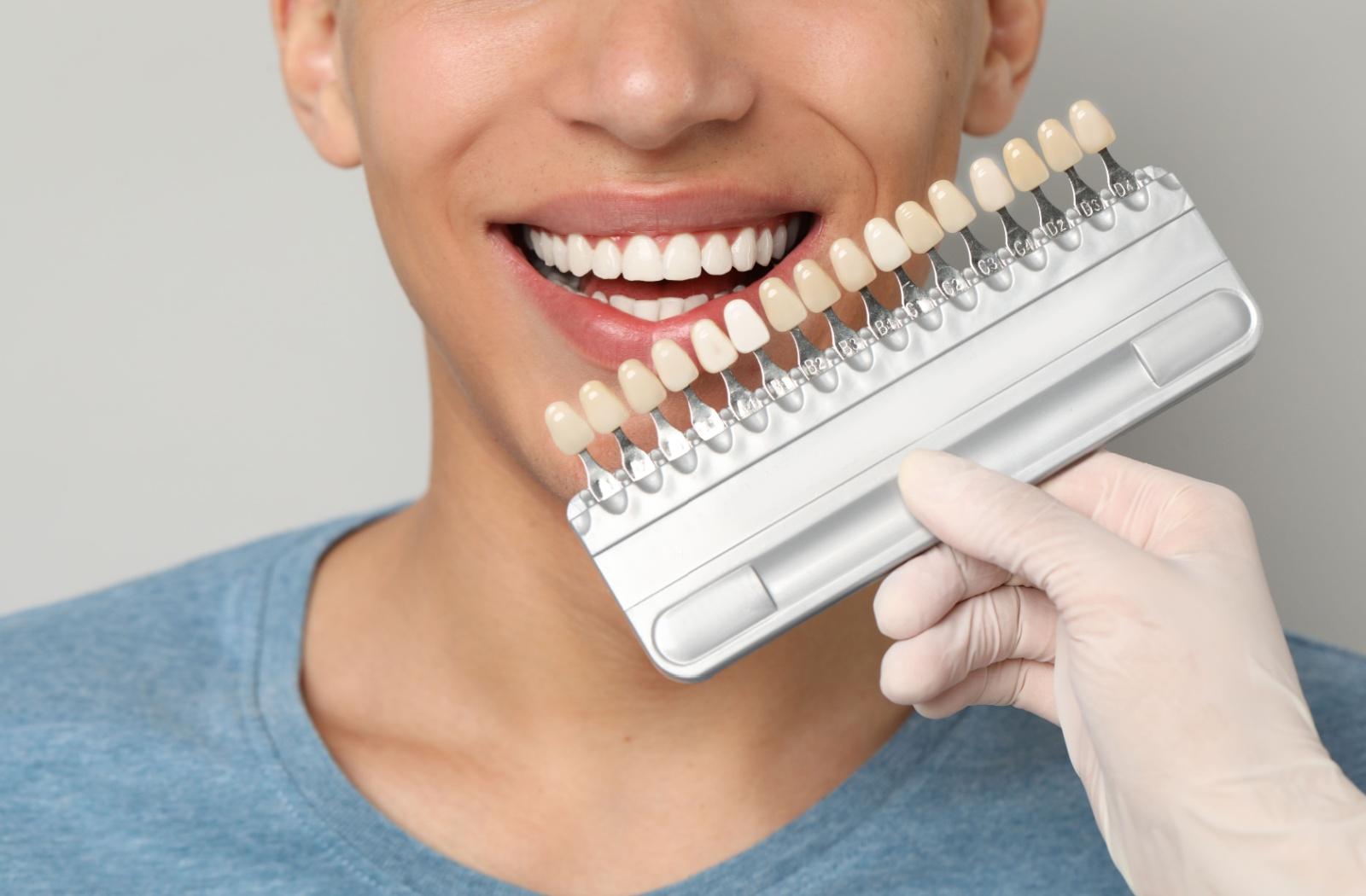
Veneers are much thinner than crowns—imagine them as contact lenses for your teeth. These wafer-thin shells bond to the front surface of your teeth, changing their colour, shape, or size without covering the entire tooth.
Your dentist removes a small amount of enamel from the front of your tooth, then attaches the custom veneer using special dental cement. Most veneers are made from porcelain or composite resin materials that match your natural teeth.
When Your Dentist Calgary NE Might Recommend Crowns
Tooth Damage & Decay
You might need a crown when your tooth has been compromised. Common situations that call for crowns include:
- Large cavities that affect tooth structure
- Cracked or broken teeth
- Teeth weakened by root canal treatment
When decay has eaten away a large portion of your tooth, a simple filling won’t provide enough support. A crown helps hold everything together while giving you back the ability to chew normally.
Functional Problems
If you grind or clench your teeth at night, you might wear them down over time. This can change how your teeth fit together when you bite, creating uncomfortable pressure points or jaw pain.
Crowns can rebuild worn teeth to their original height and shape. They’re also a good choice for teeth that have developed in unusual ways, as crowns can help create a more comfortable bite pattern. For grinding issues, your dentist might also recommend TMJ treatment options alongside crown placement.
When Veneers Might Be Right for You
Cosmetic Concerns
Veneers work well at fixing smile issues that don’t involve major tooth damage. If your teeth are structurally sound but don’t look the way you’d like, veneers might be the answer. Common situations that call for veneers include:
- Stained teeth that don’t respond to whitening
- Small chips or minor damage
- Gaps between front teeth
- Slightly crooked or uneven teeth
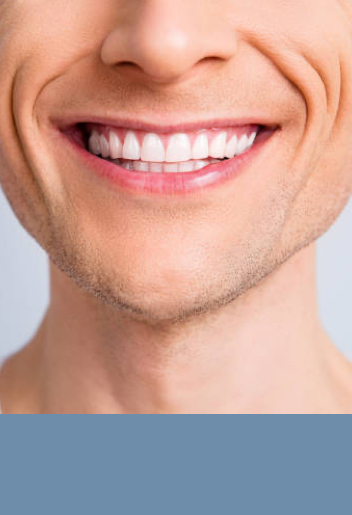
You might have tried professional teeth whitening but are still feeling frustrated with persistent discolouration. Veneers can give you the bright, uniform smile that whitening couldn’t achieve.
Tooth Structure Requirements
Your teeth need to be fundamentally healthy for veneers to work well. The underlying tooth structure should be strong, with good enamel and no significant decay or damage.
Veneers work for minor imperfections rather than major structural problems. If your tooth needs significant repair, a crown typically provides the necessary strength and protection.
How Long Do Crowns & Veneers Last
Crown Lifespan & Maintenance
Most crowns last several years with good care, but this is dependent on a number of factors. You can help extend their life by avoiding habits like chewing ice or opening packages with your teeth.
Regular dental checkups help catch small problems before they become bigger issues. Your dentist can spot early signs of wear or loosening and address them quickly.
Veneer Durability
Veneers typically last several years, though this varies based on your habits and oral hygiene. Since they’re thinner than crowns, they may be more susceptible to chipping or wearing.
Taking care of your veneers is similar to caring for your natural teeth. Brushing, flossing, and avoiding hard foods helps to maintain their appearance and longevity.
Cost Differences & Treatment Process
What to Expect During Treatment
Crown placement requires removing more of your natural tooth structure. This process is irreversible, but it provides the strength needed for damaged teeth.
The veneer process is less invasive, though also irreversible—your dentist removes only a thin layer of enamel from the front surface. Both treatments typically take 2 to 3 appointments to complete.
Investment Considerations
Crowns generally cost more than veneers because they require more material and often address functional problems. Your dental insurance may help cover crown costs when they’re needed for health reasons rather than cosmetic preferences.
Veneers are usually considered to be elective cosmetic treatment, which means you’ll likely have to pay the full cost yourself. However, this investment can significantly improve how you feel about your smile and your confidence in social situations.
General Considerations
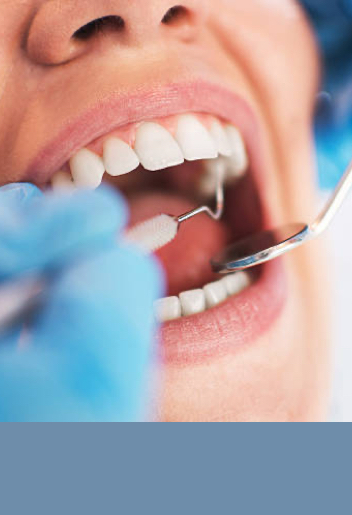
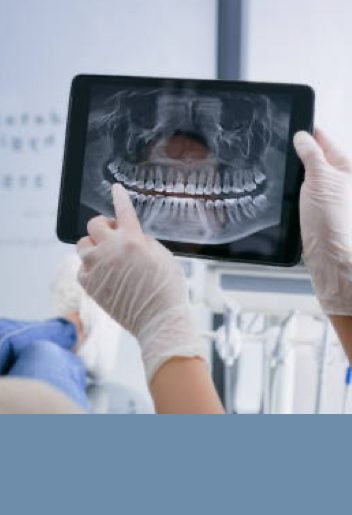
In order to determine whether veneers or crowns are appropriate for you, your dentist will examine the current condition of your teeth and gums, looking for signs of decay, damage, or gum disease that might affect your results.
Your long-term goals and lifestyle should also play a role in your decision. Do you play contact sports, grind your teeth, or have habits that might affect your dental work? These details will help your dentist choose the most durable option for your situation.
Every person’s mouth is different, and what works well for your friend might not be the right solution for you. Your dentist can identify factors that aren’t obvious to you, like bite alignment issues or early signs of tooth damage. Sometimes a combination approach works well—you might need crowns on back teeth for strength and veneers on front teeth for cosmetics.
Be Confident in Your Smile
Our team at Country Hills Dental can evaluate your dental situation to help you understand whether veneers and/or crowns will help you get the healthy and confident smile that you deserve. Contact us today to discuss your goals and explore the possibilities for your smile.